

Photographing Tikal: From Ancient Maya Ruins to Watercolor Paintings
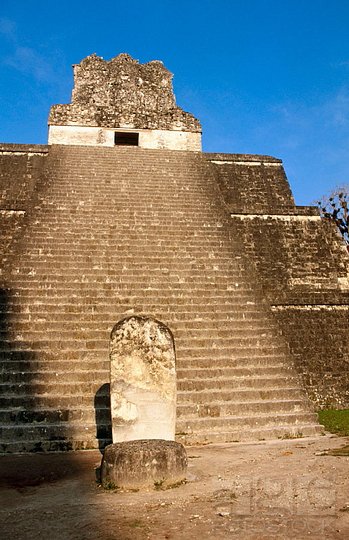
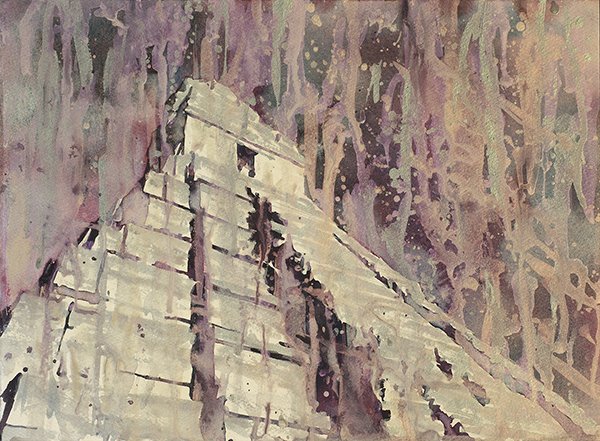
The ancient Maya ruins of Tikal, Guatemala had been on my bucket list since I was a kid—especially after I discovered that the view from Temple IV appeared in Star Wars: A New Hope as the Rebel base on Yavin 4.
Ancient Maya ruins swallowed by jungle and Star Wars?
I was going.
Years later, I finally visited Tikal as a professional travel photographer and spent several days wandering and photographing the archaeological site. What I didn’t realize at the time was that I wasn’t just creating travel photographs. I was collecting reference material for watercolor paintings I wouldn’t create until years later.
Sunrise From Temple IV
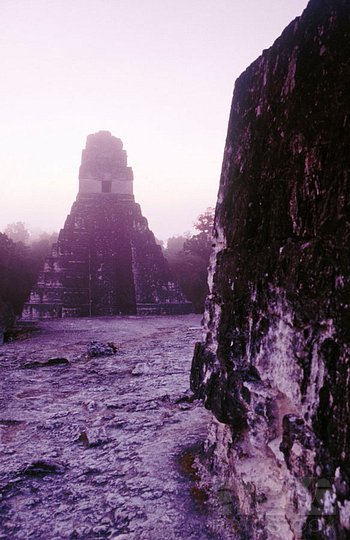
During my visit, I somehow managed to enter the park a little earlier than most people.
There may have been a small propina (aka bribe) involved.
Different time. Different rules. Don’t use me as your legal counsel.
The result was an unforgettable sunrise from the top of Temple IV, overlooking an enormous sea of jungle with Maya temples rising above the canopy.
It was incredibly peaceful.
Except for the howler monkeys.
If you’ve never heard howler monkeys before sunrise, they sound considerably larger and more interested in eating you than they actually are. Please don’t throw a rock at their tree either. Not that I know from experience…
Staying in the Jungle at Tikal
I spent several nights in a surprisingly comfortable hammock near the park. A mosquito net was provided, and I fell asleep surrounded by the sounds of insects and animals in the jungle.
And amazingly, nothing bit me.
For once.
Staying nearby meant I could reach the ruins early and experience Tikal before most visitors arrived. Walking through the jungle as enormous temples slowly appeared between the trees made it easier to imagine what early explorers must have experienced encountering these ruins hidden beneath centuries of vegetation.
Photographing the Maya Ruins
Tikal is enormous, with temples, plazas, palaces and ancient structures scattered throughout the forest.
Give yourself time to explore.
As a photographer, I found that the temples could look completely different depending upon the time of day. Morning mist, afternoon shadows and changing sunlight transformed the same structures.
That’s one of the lessons I learned as a professional photographer: don’t assume you’ve finished photographing a location just because you’ve already been there once.
The monument hasn’t changed.
The light has.
Some of my favorite photographs weren’t necessarily of the most famous temples, either. Wander away from the busiest areas and you’ll find stone staircases, crumbling doorways and ancient structures slowly disappearing back into the jungle.
Those Stairs Are No Joke
One warning: some of the temple staircases at Tikal are steep.
I’m sure there must have been an occasional unintentional “sacrifice” when somebody lost their balance.
Two-for-one for the gods!
My balance stinks, so I take these things slowly.
Sometimes on my rear end.
I have no shame. He who survives the staircase gets to tell the story.
Access rules have changed over the years, so follow current regulations about which structures can be climbed.
From Professional Photography to Watercolor
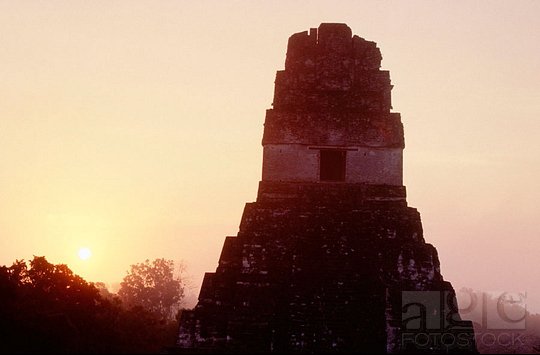

Years later, when I returned seriously to watercolor painting, I began digging through decades of my travel photography looking for subjects.
Tikal immediately drew me back.
The same qualities that made the ruins wonderful photographs—dramatic shapes, ancient stone, deep shadows, tropical vegetation and atmospheric light—also made them perfect watercolor subjects.
But I don’t simply copy my photographs.
That’s one of the advantages of becoming a painter after spending years as a professional photographer.
I can remove a tree.
Change the sky.
Simplify the jungle.
Exaggerate the light.
Completely change the colors.
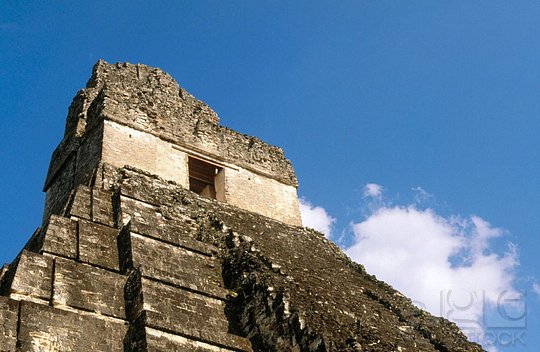
The photograph becomes reference material rather than instructions.
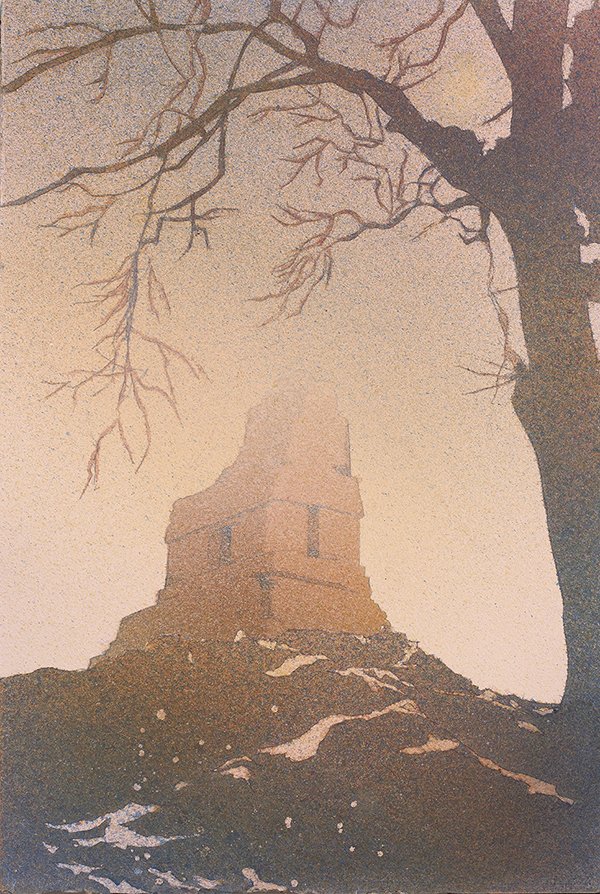
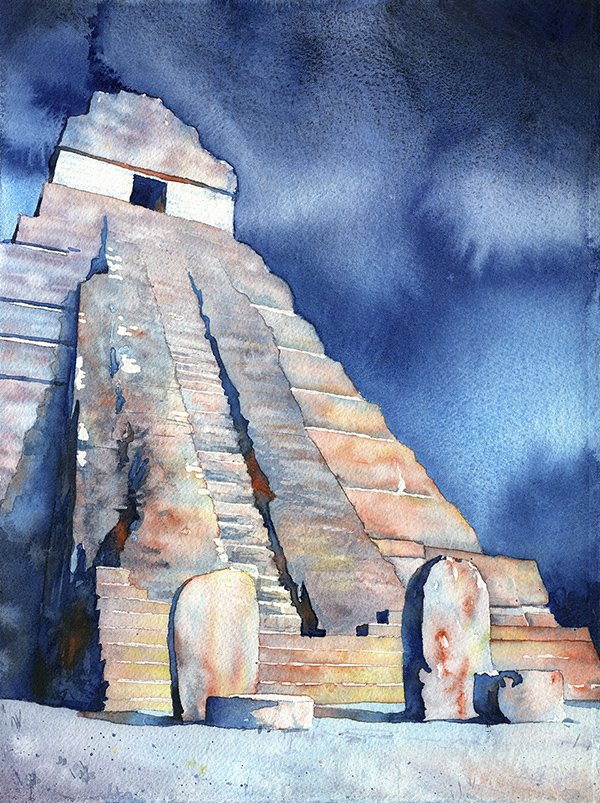
I’ve now created numerous watercolor paintings inspired by my original photographs of Tikal. Some remain relatively faithful to the location; others become completely different interpretations.
That’s the part I find most interesting.
The photograph records what I saw. The painting becomes my memory of the experience.
Is Tikal Worth Visiting?
Absolutely.
Give yourself more than a few hours if possible. Explore beyond the major plazas, experience the jungle early in the morning, and return to locations when the light changes.
Tikal is one of those rare destinations where the experience is even better than the photographs.
And decades later, I’m still finding new paintings hidden inside the photographs I made there.
Just be careful on the stairs.
I’d like those photographs to keep becoming watercolors—not evidence in an archaeological accident investigation.
Planning a Trip to Tikal
Flights to Tikal
The closest airport is in Flores (often through Guatemala City)
Getting Around (Transportation)
Tikal is a 60-90 minute drive from Lago Peten Itza (where most people stay). You can arrange a tour group, bus, taxi, or drive yourself:
Where to Stay in Tikal/Lago Peten Itza
Hotel Tikal Inn– offers the unusual experience of staying inside Tikal National Park, putting travelers close to the ancient Maya temples and making it an especially convenient base for early-morning exploration and photography.
Hotel Gringo Perdido– is a peaceful lakefront retreat on Lake Petén Itzá, offering a relaxing jungle setting and a convenient base for exploring Tikal and the ancient Maya ruins of northern Guatemala.
La Lancha by Francis Ford Coppola– La Lancha by Francis Ford Coppola is an intimate luxury retreat overlooking Lake Petén Itzá, combining a beautiful jungle setting with comfortable accommodations and convenient access to the ancient Maya ruins of Tikal.
El Remate– offers a peaceful stay along Lake Petén Itzá, combining beautiful tropical scenery with a convenient location for exploring Tikal and the ancient Maya ruins of northern Guatemala.
Tikal and Guatemala Travel Guides
I still buy at least one physical travel guide before most international trips. Phones die, internet connections disappear, and apparently I’m old-fashioned enough to appreciate having something made out of paper in my backpack.
I frequently use Lonely Planet guides for trip planning, and there are also dedicated Tikal books for travelers interested in the history and archaeology of the Mayan culture.
Lonely Planet Guatemala Travel Guide
Tikal Travel Guides:
Tikal: The Smart Guide is a practical resource for exploring Tikal National Park, the ancient Maya temples, and one of Guatemala’s most remarkable archaeological sites.
Disclaimer: This page contains affiliate links. If you choose to make a purchase after clicking a link, I may receive a commission at no additional cost to you. Thank you for your support!
Ryan Fox AWS, NWS, TWSA
Ryan Fox Painting
(919) 645-8345